Rhythms of Kaiseki: An Evening in Arashiyama
Published by 111111 Editorial • 8 min read • Curated by Junko Sato
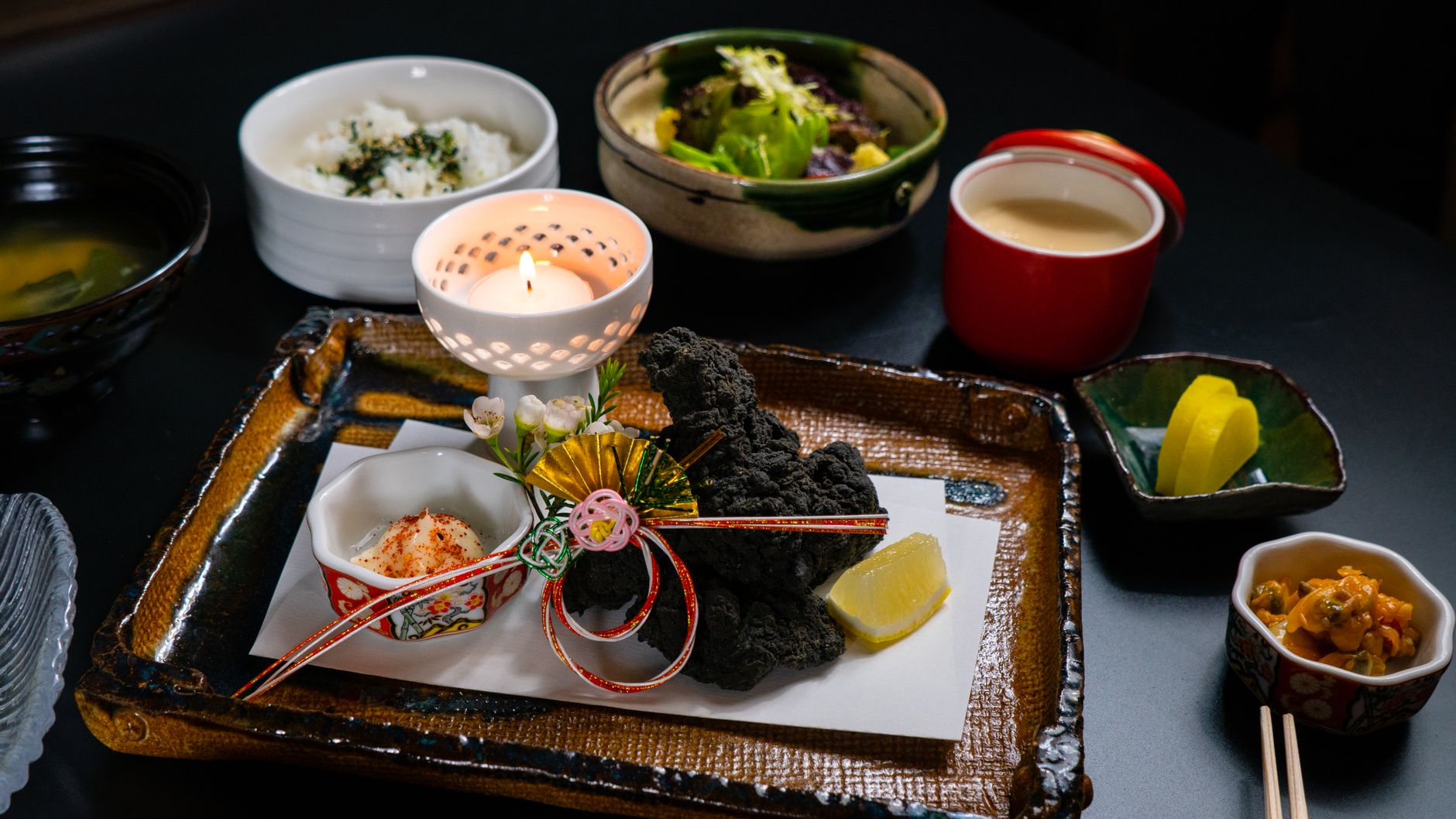
Beneath bamboo leaves rustling along the Oi River, the multi-course meal in Arashiyama does not begin in the kitchen, but in the morning garden inspection.
In Japan's old imperial capital, culinary discipline is inextricably bound to the twenty-four solar terms of the traditional agricultural calendar. Kaiseki is not merely dinner; it is an ephemeral poem dedicated to this exact week of the changing seasons.
The Geometry of Still Waters
Upon sitting upon woven rush tatami mats, the master presents the *Sakizuke*—an introductory morsel that sets the philosophical cadence. Today, it is wild mountain yam scraped thin as silk paper, garnished with a single drop of hand-pressed citrus vinegar and a tender fern tip harvested hours earlier from the misted hillsides of Kameoka.
Ceramics play a role equal to the produce itself. Vessels fashioned in seventeenth-century Oribe and Bizen kilns exhibit intentional asymmetry, their rough textures harmonizing with the velvety textures of seasonal broth.
“Every plate serves as an altar for a moment in nature that will never repeat itself in precisely this manner.”
Mindful Presence at the Table
As evening deepens, lanterns along the cedar corridor flicker in the cold breeze. Conversation softens into quiet pauses between courses. The meal concludes with light matcha prepared in a bowl shaped by the master's great-grandfather. In this sanctuary, travel becomes an act of gratitude.