Under Thousand-Year Olives: Coastal Greece
Published by 111111 Editorial • 5 min read • Essays from Mani
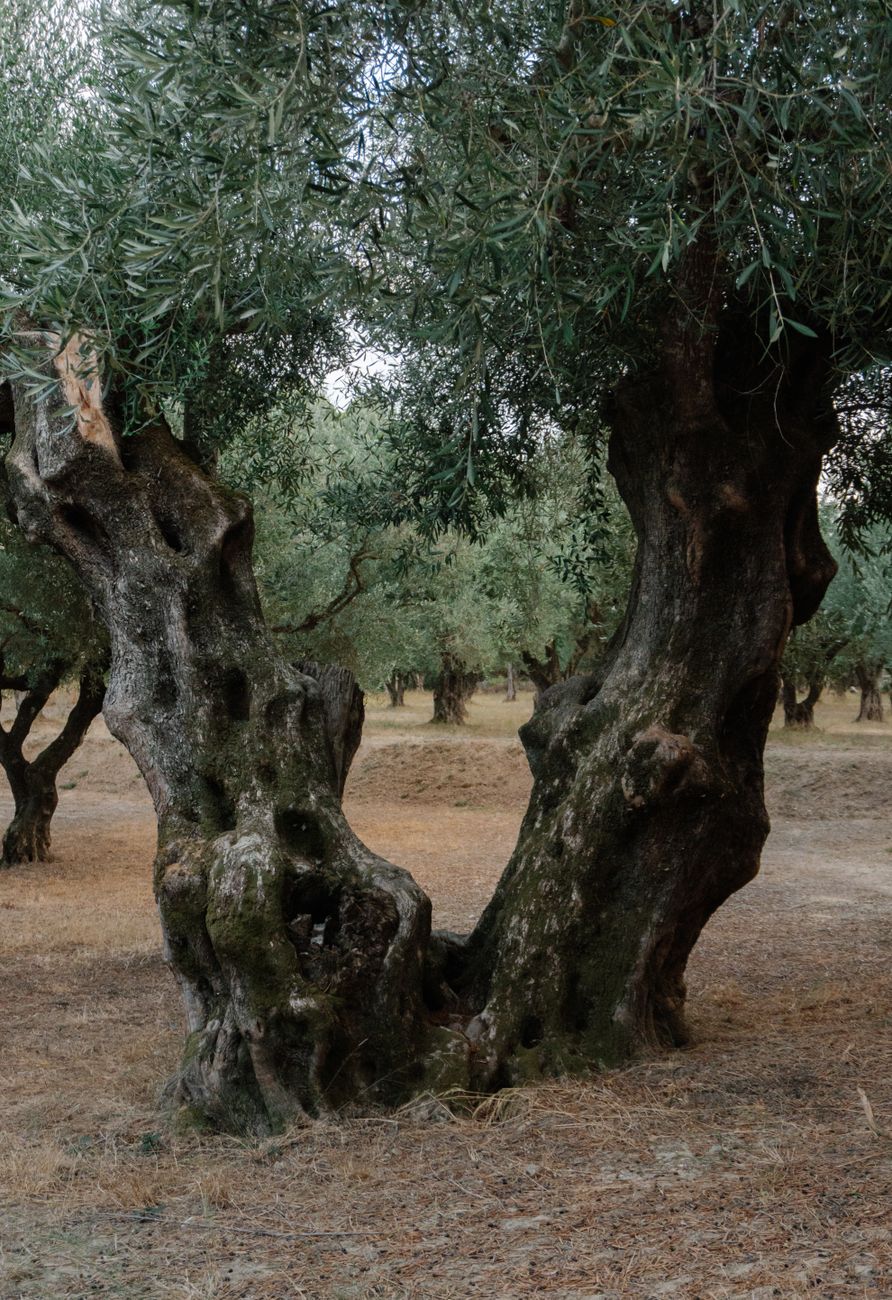
The southern finger of the Peloponnese peninsula smells of wild oregano, crushed limestone, and salty sea breezes that have drifted over these cliffs since antiquity.
Departing the highway toward the rugged Mani peninsula, cellular signals fade and the geography takes on an austere, stone-towered majesty. Here, the landscape is defined by olive trees with trunks so wide and twisted they seem more like geologic monuments than living wood.
The Golden Oil of Kardamyli
In a small press tucked between slate hillsides, third-generation farmers harvest Koroneiki olives using canvas sheets and hand rakes. There are no industrial additives. The oil pours emerald green, thick, with a peppery bite that catches the back of the throat—proof of abundant antioxidants and pure mountain air.
We walk along ancient stone paths (*kalderimi*) that connect fortified family settlements. In the spring heat, goat bells echo across deep ravines while wild fennel blossoms against whitewashed stone walls.
“To travel Mani is to understand that true luxury is not polished marble, but unhurried time under an olive tree.”
As the sun sinks into the Messenian Gulf, fishermen tie their wooden caiques to iron rings along the pier. A plate of grilled octopus, warm sourdough bread dipped in fresh oil, and cool mineral wine provide all the splendor one could ever desire.